

 Amyah Wright
By: Amyah Wright, Madison Maynard, Nailah Williams, and Gabrielle George
As President Donald Trump’s tariffs drive down crop prices, rising fuel and fertilizer costs squeeze farmers nationwide, Black farmers face an even greater challenge: fighting to keep their land while struggling to access the federal relief programs designed to help them survive. John Boyd, president of the National Black Farmers Association, warns that these economic pressures, combined with longstanding barriers to government assistance, could push more Black farmers toward foreclosure and threaten generations of land ownership.
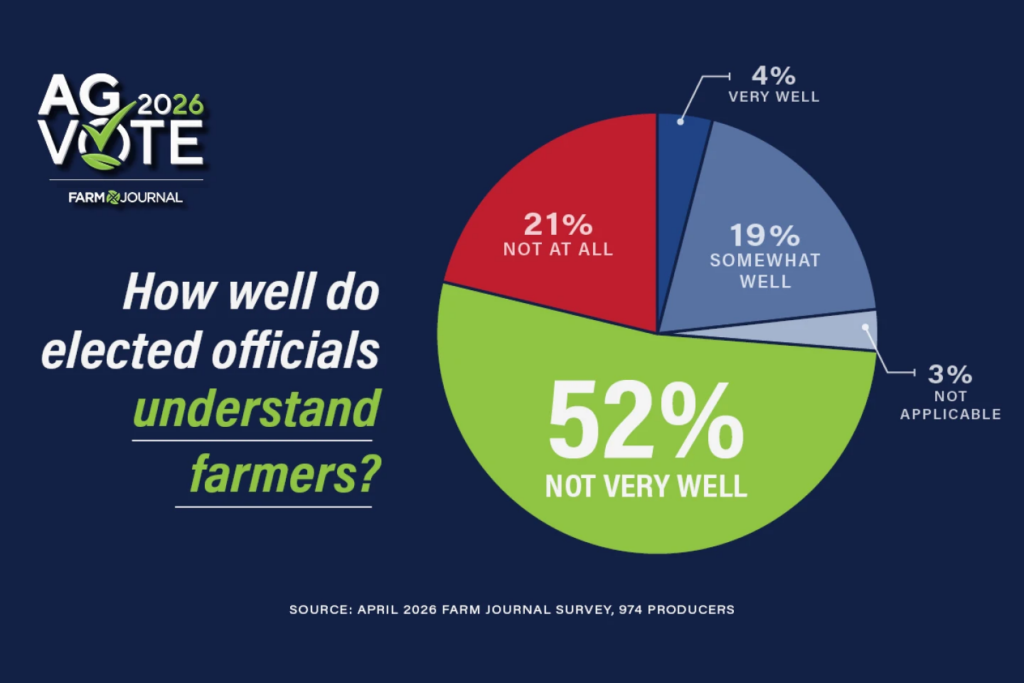
Boyd argued that the Trump administration’s tariff policies have severely harmed the farming sector, making specific comparisons to the Obama administration.
“So when this president came in and imposed tariffs, the price plummeted and the markets never really came back for us,” Boyd said. “The highest I ever sold soybeans for was under Barack Obama, for $16.80 a bushel. And soybeans are hovering around somewhere between about $10 a bushel now many years later. So a significant loss that we didn’t recover from.”
Additionally, the economic impact increased after Trump pushed the United States into a war with Iran.This became a major challenge, due to the closing of the Strait of Hormuz, which affected the cost of oil and caused the price of gas and diesel to skyrocket.
“Farmers used diesel fuel for harvesters such as combines and heavy equipment, harvesters, tractor trailers, all the things that I use on my farm,” Boyd said. “I used diesel fuel and I went from paying about $3 a gallon to $7 a gallon for diesel fuel, which is a significant increase that we just don’t have. The president’s time has caused fertilizer to go up $200 a metric ton. There are things that farmers have to use if we’re not going to buy diesel fuel.”
These combined cost increases have led several farms toward foreclosure. Boyd acknowledges that farm income has not recovered, with Black farmers experiencing a disproportionate impact as they face additional systemic barriers.
Some of these barriers include exclusion from relief provided by the administration. According to Boyd, the administration’s $8 million aid package will go to row-crop farmers, who are majority White (they grow items such as corn, soybeans and wheat) and registered with the U.S. Department of Agriculture (USDA). Many Black farmers are excluded from funding relief because they are not “on grid” with USDA reporting.
“The majority of Black farmers are not [row-crop] farmers,” Boyd said. “They are vegetable growers, they are beef cattle guys, and growing other types of commodities that don’t fit that definition.”
There are administrative barriers, as accessing USDA support involves compliance with complex systems, crop reporting and online accounts. This presents a challenge, as the average Black farmer is 61 years old, and often unfamiliar with digital platforms.
Under the Obama administration, there were equity initiatives put in place to benefit Black farmers, such as the Pigford II Settlement, as $1.25 billion was given to Black farmers who were not included in the 1999 Pigford v. Glickman consent order. However, Boyd mentions that a lot of progress was reversed immediately when Trump began his second term due to his attacks on and elimination of DEI initiatives. The White House held a meeting with farm leaders, and Boyd was initially invited; however, he was subsequently disinvited. Officials made it clear that the Trump administration was not focusing on Black farmer issues, but addressing all farmers on a larger scale, and that it’s not based on race.
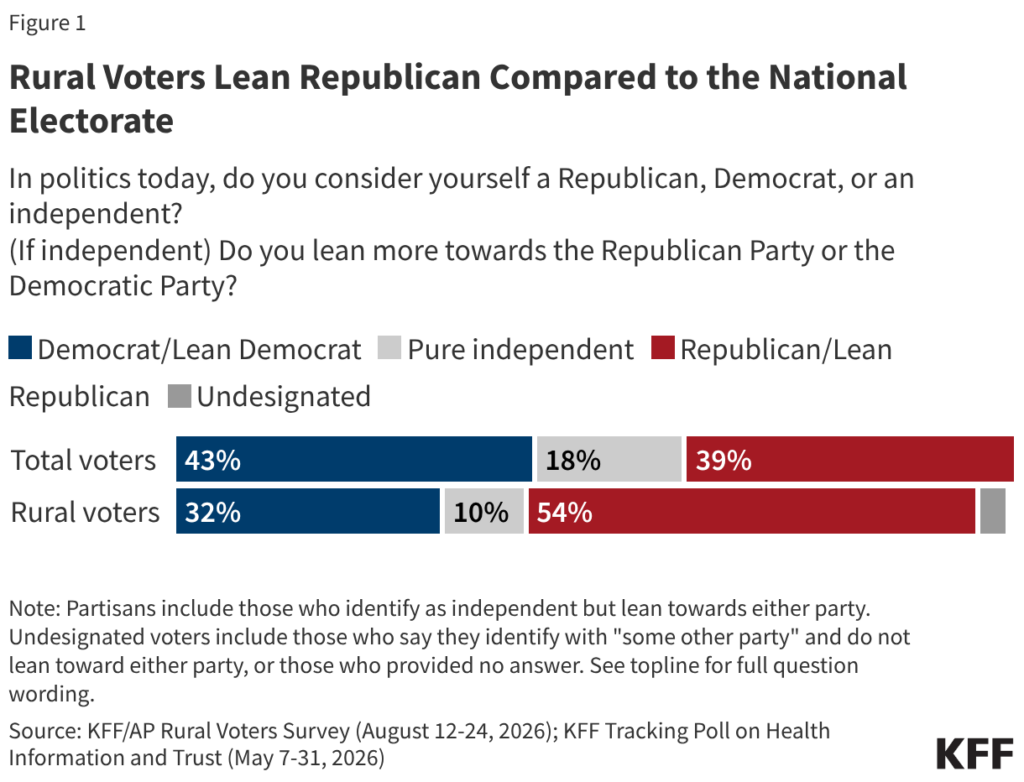
Boyd hopes that this mid term election has more Democrats candidates prioritize farmers in rural areas to get their rural majority vote to include black farmers and agriculture and racial equity in farming a central campaign issue. This has been a strategic tactic republicans and president Donald Trump has used while campaigning, when it comes to farmers republicans and the Trump administration pivot to white farmers specifically those on larger scales to secure rural majority.
When asked how else democrats could show up for black farmers during this election Boyd pointed to accountability. Democratic candidates, he said, should hold federal agencies responsible for reversing equity programs and work to ensure that future administrations cannot easily undo protections and support meant to level the playing field.
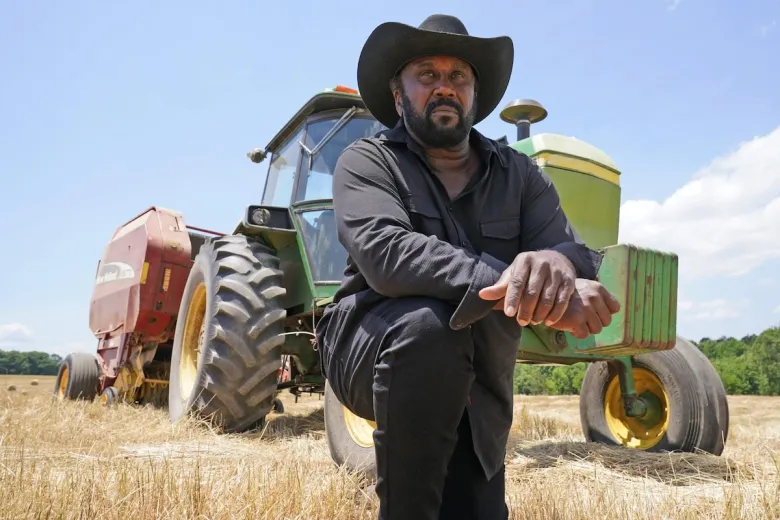
By centering USDA enrollment and racial equity as a core campaign issue, Democratic candidates show black farmers once in congress they could push for better access to relief programs and policies on land ownership.
Boyd lamented the growing strain on land ownership for Black farmers, who already operate on far less land than their white counterparts. Black farms average only 50 to 100 acres; which leaves little cushion when prices rise, loans are denied, or a season goes badly. Distressed farmland is likely to attract data centers, foreign investors, and large corporations, leaving families who have worked the land for generations priced out of buying it back. For Boyd, this is about more than farming. Land is everything. It holds cultural roots, provides stability, and creates generational wealth that can free Black families from economic burden.
If Democrats want to earn the trust of rural voters, protecting Black farmers must be part of the agenda, according to Boyd.
President Donald Trump’s reduction in Diversity, Equity, and Inclusion(DEI) initiatives heavily impacted the Black farming sector.
As voters head to the polls on November 3rd, the future of Black farming remains tied to decisions made at the federal level. Black farmers face challenges that could shape their ability to sustain their farms for generations.The midterm elections offer an opportunity to examine how the policies voted on affect industries like the Black farming sector. Ultimately, the outcome of these policy debates could have lasting consequences for the future of Black agriculture.


 Jada Ingleton

 Kynadi Hyde


 Arthur Cribbs
 Lauryn Forbes

 Shayla Farrow
Add comment