
 Sydney Goitia-Doran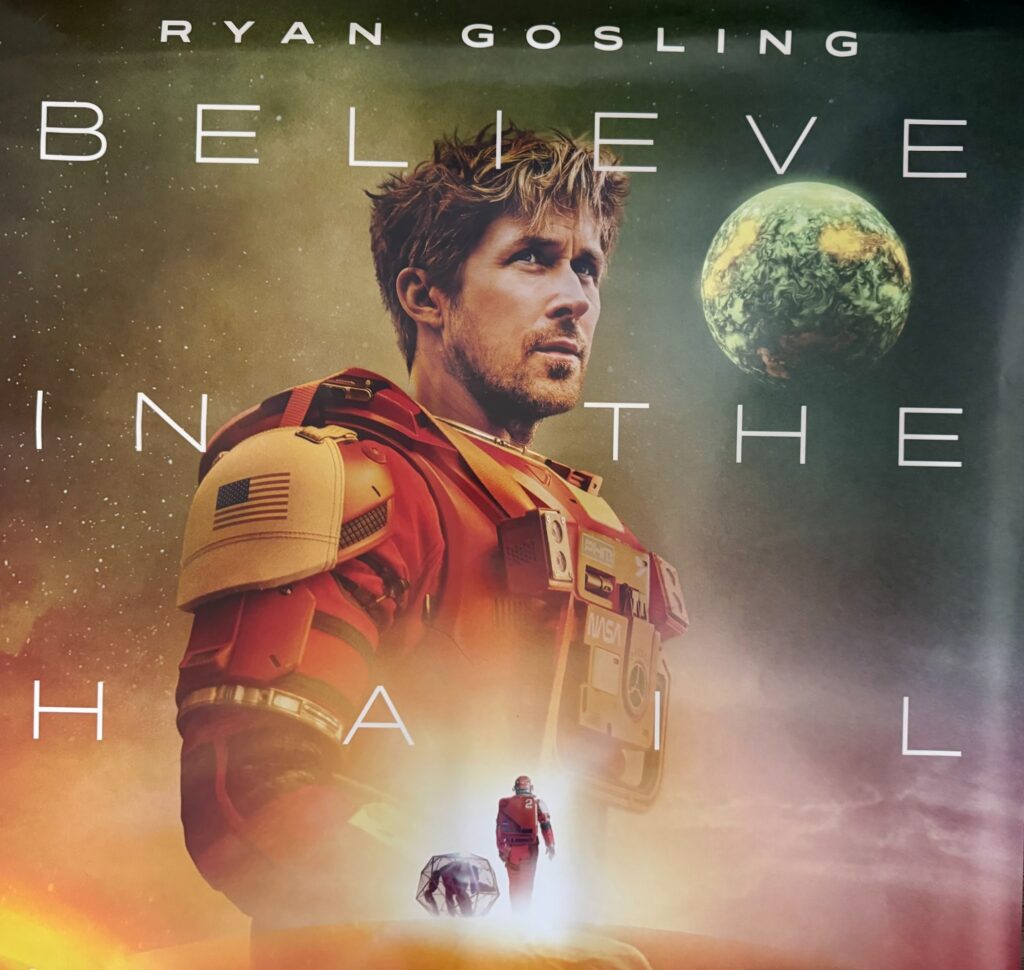
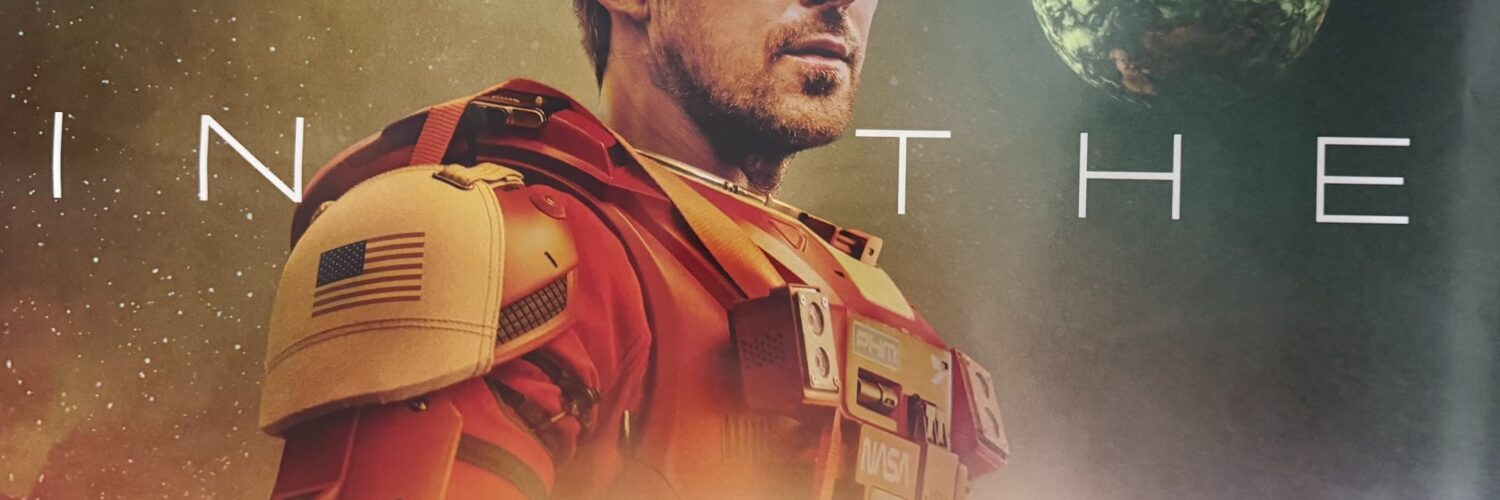
Official movie poster for Project Hail Mary (Sydney Goitia-Doran/101 Mag)
Sci-fi book-to-movie adaptations often either boom or bust, with films like “A Wrinkle in Time” and the “Divergent” Series earning harsh criticism from book-lovers while franchises like “The Hunger Games” and “Dune” made great waves beyond the pages. This year, Project Hail Mary is the highest-grossing Hollywood film of 2026, proving once again that when done well, sci-fi adaptations are the way to film-lovers’ hearts.
Brought to life by directors Phil Lord and Chris Miller, the story follows Dr. Ryland Grace, a once-outcast scientist who has become a middle school science teacher, played by Ryan Gosling. When he awakes from a coma in outer space with parts of his memory missing, he must piece together who he is and his mission.
The story alternates between the present, where Grace is on the ship, and his past on Earth, slowly revealing how he ended up there. The camera angles and use of music, sound and silent moments are intentional and unique in this film, with rotations in zero-gravity and deafening silence during space walks, immersing viewers in the scenes. The colors in the film are vibrant; audiences who recommended seeing this movie on the biggest screen possible made the right call, with jaw-dropping “Oppenheimer”-like moments.
Fans of Gosling will not be surprised to see the film is littered with comedy, reminiscent of the sarcasm and over-the-top drama he displayed in his roles in “Barbie” and “Crazy, Stupid, Love.” However, in more tender moments, he reveals an emotional, complex side of his character, which ties the storyline together.
A main focus of the film is Gosling’s encounter with an alien he names “Rocky” and the friendship he forms with it. They learn to communicate without understanding each other, and eventually come to care for each other to the point of being willing to sacrifice their lives for one another. The simple trope of unlikely colleagues-turned-friends has been done countless times, but the film manages to make it feel new and tug at the heartstrings.
The use of Harry Styles’ song “Sign of the Times” is an example of what film adaptations can bring to a story that books can’t always do. Sandra Hüller, who plays Eva Stratt, sings it during karaoke before the team goes on a space mission that will certainly end in death. The passion in her voice and the lyrics match their situation and feelings almost perfectly. It was enough to make several people cry in the theater and inspire several edits on TikTok.
At times, it felt like the film was attempting to do too much. It was a comedy; a journey of self-discovery; commentary on government response to humanity-threatening issues like climate change; a story about friendship and learning to communicate with someone whose language you do not understand; and an action-packed sci-fi thriller.
A casualty of this was the ending, which perfectly tied everything in a bow. Grace saves the world and his friend, and has the option of staying with Rocky or returning to Earth. Audiences familiar with Christopher Nolan’s ambiguous endings or the heartbreak of the Marvel Cinematic Universe may feel this movie’s struggle, dilemmas and all of its impossibilities might have felt more impactful with a more realistic ending.
The film holds a 95% rating on Rotten Tomatoes, has rave reviews on Letterboxd and has become Amazon MGM’s highest-grossing movie ever — earning over $300.8 million worldwide and $164.3 million domestically in just two weeks.
The divergent storylines did not distract from the central themes of trust, hope, and what is worth living and dying for. That’s exactly what people need right now, which explains its success.


 Jada Ingleton
 Kynadi Hyde

 Arthur Cribbs
 Lauryn Forbes
 Shayla Farrow
 Amyah Wright
Recent Comments