
 Briana Outlaw
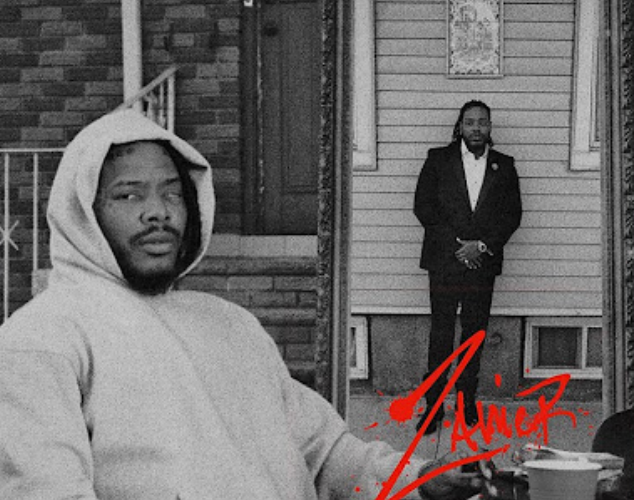
Cover art for “Zavier,” Fetty Wap’s latest album released March 27, 2026.
After nearly three years in prison, Fetty Wap returned on March 27, 2026 with a new album, “Zavier,” arriving at a time when Gen Z’s nostalgia for the 2010s is stronger than ever.
Across TikTok playlists, throwback parties and “2010s core” aesthetics, Gen Z has been recently revisiting the era that shaped their early memories of music. It was a period when music felt tied to real moments, from car rides to social media clips.
Fetty Wap’s voice became part of that everyday soundtrack.
With breakout tracks like “Trap Queen” and “679,” Fetty Wap helped define a sound that blended rap and melody in a way that felt easy to connect to.
His music was instantly recognizable and tied to a specific cultural moment shaped by Vine clips, early streaming playlists and songs that spread quickly through social media.
For many listeners, it represents a feeling rather than just songs.
That is what makes his return so complex.
While the anticipation surrounding the album is rooted in nostalgia, “Zavier” doesn’t fully replicate the sound that made him a household name. Instead, it reflects an artist who has changed.
On songs like “Right Back To You” and “N LUV,” the melodies feel more restrained with a slower, more reflective energy than the explosive sound he was once known for.
For listeners expecting a return to 2016, the difference is noticeable.
However, that shift is not necessarily a flaw. It signals growth.
Across various social media platforms like X and TikTok, listeners have been quick to share their reactions, many pointing out the shift in sound.
“Fetty Wap really came back with that energy. Versatility was needed and he delivered. [It] feels like a fresh chapter,” one X user wrote in response to a post about the album.
Fetty Wap’s new music carries the weight of time and experience. After years away from the public eye, his sound feels more grounded, less focused on chasing hits and more centered on expression. The carefree energy that once defined his music has been replaced with something more intentional.
“With this whole project, it was like let me just try to be more of a creator than a creative. It was just me doing something different,” Fetty Wap said in an interview with iHeartRadio.
Still, the tension between nostalgia and evolution is difficult to ignore.
On TikTok, videos about the new album have resurfaced with mixed reactions in the comments.
“[The album] disappointed me,” one user commented. “I guess I was expecting ‘old Fetty’ even though that was 10 years ago.”
Gen Z’s current relationship with music is deeply connected to memory. The resurgence of early-2010s sounds is not just about preference but about comfort. Artists who defined that era are often expected to recreate it. When they don’t, the reaction can feel like disappointment, even when the music itself is solid.
Even if it doesn’t fully meet nostalgic expectations, “Zavier” is still worth listening to.
The album doesn’t just revisit Fetty Wap’s past, it expands on it, offering a new perspective on his sound and reminding listeners, especially Gen Z, that artists aren’t meant to sound the same forever.
Ultimately, “Zavier” raises a larger question about how audiences engage with artists over time.
Do we allow them to grow or do we hold them to the versions of themselves that first made us fans?


 Jada Ingleton
 Kynadi Hyde
 Arthur Cribbs
 Lauryn Forbes
 Shayla Farrow
 Sydney Goitia-Doran
 Trinity Taylor
Add comment