

 Amyah Wright
By: Gabrielle George
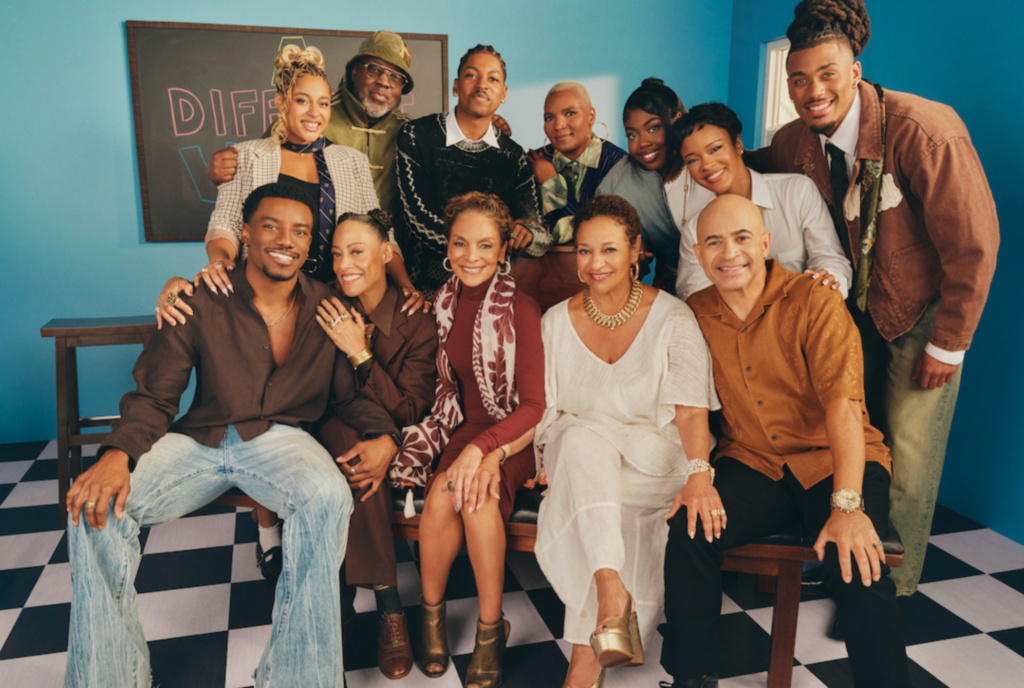
For an industry that is always searching for the “Next Big Thing” Hollywood has been spending some time looking to the past.
Some of Black television’s most iconic worlds are returning completely reimagined for a new generation. “A Different World’s” Hillman College is returning to the screens on September 24, 2026 on Netflix as a sequel. “The Fresh Prince of Bel-Air” came back to screens in 2022 with its reboot “Bel-Air.” Peacock just announced “Bel-Air” will have a spin-off series titled “Hilary.”
This trend reflects a broader pattern within media companies and what Black television stories they choose to develop. The pattern raises the question: Why is Hollywood looking to the past to create new shows instead of focusing on original concepts?
Hollywood’s resurgence of familiar Black TV worlds like “A Different World” and “The Fresh Prince of Bel-Air” through reboots, reimaginings, and spin-offs display the lack of original stories being greenlit. Comparing the original shows with their modern versions will provide a side by side look into the way the industry views Black television. Is the nostalgia from the original shows inhibiting the progression for new modern day stories?
“A Different World” (1987) was created as a spin-off for “The Cosby Show.” The show changed the way Black people were viewed and viewed themselves on television. “A Different World” was set at a fictional HBCU, Hillman College, which served as representation for what it was like to attend an all Black college.
The show tackled cultural niches, social, and political issues that were relevant for the time. “A Different World” (2026) is set to take place on Hillman’s campus focusing on a new generation of the original cast’s children. The main characters of the show are Dwayne Wayne and Whitley Gilbert’s youngest daughter. “A Different World” (1987) is very culturally significant; so much so that the show’s themes are still relatable today. The return of Hillman raises a larger question about what television gains from a story that has already been told. Almost 40 years later, the series has the opportunity to go beyond already produced experiences to teach, challenge, and examine what college life is like today. Taking away nostalgia as a factor; why does this story need to be told?
“The Fresh Prince of Bel-Air” premiered in 1990 starring Will Smith. The show primarily explored the connection between class and race and how it’s depicted in America. The show displayed a range of humor and vulnerability expressed in their characters. The show was different because it explored the intersectionality of race and class at a larger scale rather than just depicting a wealthy black family. They used the character Will’s perspective to show the differences of growing up in Philadelphia vs. Bel-Air. “Bel-Air” premiered in 2022 on Peacock and served as a reimagining and reboot of “The Fresh Prince of Bel-Air.” The reboot used the original characters but gave them all new stories while keeping some character aspects from the original the same. Like the original, the reboot explored the intersectionality of race and class. They added aspects of sexual identity in the reboot to adapt to modern themes. “Bel-Air” also featured a crime/drug aspect that “The Fresh Prince of Bel-Air” didn’t have. If the new story is different enough to stand alone then why does it need the old story’s name? What does this say about the industry’s willingness to create original shows?
On August 25, 2026, Peacock announced that a “Bel-Air” spin-off called “Hillary” is in development. The show will center around Coco Jones’ version of Hillary Banks. This is yet another extension of “The Fresh Prince of Bel-Air.” The premise of the show is to give Hillary a life outside of her family yet the show itself is reliant on the audience from “Bel-Air.” Each project is creating a new storyline while still depending on the audience of the previous show
This pattern isn’t unique to the franchises of “A Different World” and “The Fresh Prince of Bel-Air”; it’s reflective of what’s happening to the production of Black stories in the industry. Issa Rae provides an industry perspective on what it’s like to develop an original show in today’s landscape with her 2026 interview with The Wrap.
Rae talks about the industry’s decrease in willingness to invest in original projects.“Hollywood has gotten a bit lazier in their discovery.” According to Rae, the reason why there is a lack of original ideas being produced is because the industry would have to search for them. She also says “It’s been disheartening to see kinda Hollywood not make the extra effort to discover other voices outside what’s already been risen to the top.” Reboots, reimagings, and spin-offs already have established audiences that the shows feed off of. With this logic, it’s much more safe for the industry to bet on something that has already been done than to try something new. The question is where does this leave completely original concepts? Rae offers up the suggestions for creators to use different social media platforms to kickstart their careers.
Does relying on familiar stories mean Hollywood isn’t being creative? Reboots, reimagings, and spin-offs can offer new story lines, writers, actors, and producers. This can also give creators the opportunities to explore different storylines. For example, “Bel-Air” is a completely new concept with the baseline of an original story. The issue isn’t whether the industry can create new stories from old concepts, but whether these types of stories are being prioritized over completely original concepts. Reboots can produce original storytelling, but the growing presence raises questions about which kind of stories the industry would consider worth the risk?
As the industry becomes more reliant on familiar stories, the next generation of creators offer their insight into what the industry will look like for them. Jordan Gray, a sophomore Film & Television major, Business Administration minor, from Louisville Kentucky explains why pitching original Black stories can still offer challenges.
“Pitching black shows is very difficult especially when they are not written for a white audience.”Gray uses shows like “Black-ish” as an example for what she believes are shows about Black people written for a white audience. “Dre’s voiceovers each episode provide a lesson but it’s clear the lessons are not targeted towards Black audiences.” Gray raises another question: when original Black shows are made, who are they made for? This speaks to the type of stories being greenlit, even when they are original are they even for us?
Original Black stories aren’t completely gone from our screens, but the fact that they still exist doesn’t completely erase the industry’s pattern of returning to familiar storylines and television worlds. Shows like “Insecure” and “Forever” are testaments that original Black shows are being produced with Black people in mind as their audience. The issue isn’t that originality is completely gone but that the sense of familiarity with a fanbase can provide an advantage that original concepts don’t have. What will the nature of the next Black television classic look like?


 Jada Ingleton
 Kynadi Hyde

 Arthur Cribbs
 Lauryn Forbes
 Shayla Farrow
Recent Comments